
We truly live in the Netflix Show Black Mirror!
Black Mirror is a science fiction anthology series that explores the darker aspects of technology and its impact on society. Each episode features a unique story that serves as a commentary on contemporary issues and trends. In the episode “Hated in the Nation.” a mysterious hashtag begins trending on social media, leading to the death of anyone who is targeted by it. It is later revealed that the hashtag was created by an artificial intelligence that had been programmed to target people based on their perceived level of social media influence.
So why does this exemplify todays topic of discussion?
This example highlights the potential dangers of misinformation in the media and how it can have far-reaching consequences. This issue is not limited to science fiction, but is a very real and pervasive problem in our society today. But here in lies the issue. People will find a way to blame or categorize the media that doesn’t align with their own subjective perspectives.
The rise of social media and the 24-hour news cycle have made it easier than ever for misinformation to spread, leading to widespread confusion, fear, and even harm. A battle for control of the narrative in our society is a constant struggle between different political ideologies and their media outlets.
However, there is a popular misconception that mainstream media is only the liberal media has been used as a weapon to discredit any news that does not align with certain political interests. The reality is, that mainstream media doesn’t exist. Media in general comprises a diverse range of viewpoints, including conservative ones. To combat this misconception, it is essential to seek out a variety of news sources, challenge false narratives, and promote media literacy.
In recent years, this now routine misconception that mainstream media only refers to liberal media outlets has been perpetuated by conservative political operatives who use it as a tool to delegitimize the reporting of news organizations that don’t align with their political ideology.
It’s important to note that mainstream media encompasses a wide variety of media outlets, including television networks, cable news channels, newspapers, and online news websites. These outlets cover a diverse range of topics, from breaking news and politics to sports and entertainment.
While it’s true that some media outlets lean more liberal, it’s incorrect to assume that all mainstream media outlets have a liberal bias. In fact, there are many mainstream media outlets that are known for their conservative viewpoints, such as Fox News, The Wall Street Journal, and The National Review.
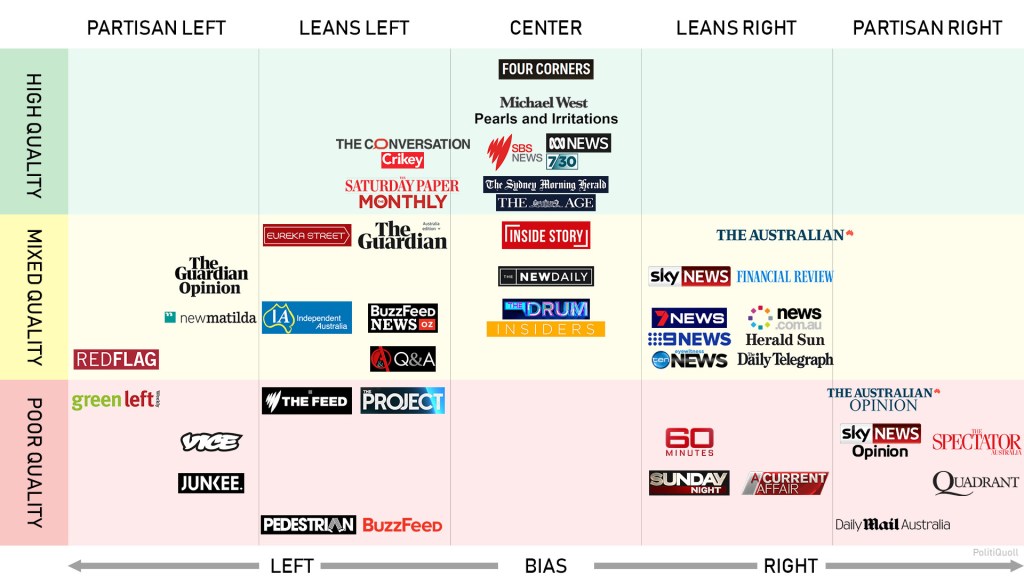
Despite the presence of conservative media outlets in the mainstream media, some conservative political operatives have perpetuated the myth that mainstream media is exclusively liberal. They have used this misconception to cast doubt on the credibility of news organizations that report on stories that conflict with their political interests.
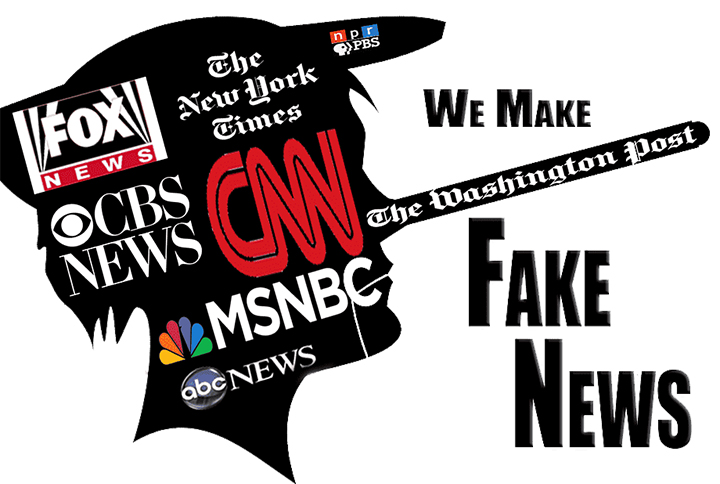
For example, former President Donald Trump and his supporters often referred to the mainstream media as the “fake news media” and accused them of being biased against him. This tactic was used to discredit any negative reporting about Trump and his administration, despite the fact that many news outlets, including conservative ones, were reporting on legitimate issues.
Social media is also being labeled as being a tool of “mainstream media” agencies by political operatives or people with different perspectives despite the majority of misinformation and perspectives being present.
- Twitter: A 2020 study by the Pew Research Center found that 59% of adult Twitter users in the US said they had seen someone else post false or inaccurate information on the platform. Twitter has taken steps to combat misinformation, such as labeling tweets with false or misleading information and removing content that violates its policies.
- Facebook: Facebook has been the subject of numerous studies and reports on the prevalence of misinformation on the platform. A 2020 study by Avaaz found that Facebook pages spreading health misinformation had nearly four times as many views as pages sharing accurate information. Another study by the Center for Countering Digital Hate found that a small group of anti-vaccine accounts on Facebook were responsible for a large portion of vaccine misinformation. Facebook has implemented measures to address misinformation, such as fact-checking and reducing the reach of false information.
- Instagram: Instagram, which is owned by Facebook, has also been a target of misinformation. A 2021 study by the Reuters Institute for the Study of Journalism found that Instagram was the social media platform where users were most likely to encounter false or misleading information about COVID-19. Instagram has introduced features such as fact-checking and reducing the visibility of false information.
- TikTok: TikTok has gained popularity in recent years, and with it has come concerns about the spread of misinformation on the platform. A 2021 report by NewsGuard found that TikTok had a higher percentage of sources promoting misinformation about COVID-19 than any other social media platform. TikTok has implemented measures to combat misinformation, such as partnering with fact-checking organizations and removing content that violates its policies.
- Reddit: Reddit is a social news aggregation and discussion platform that has been known for its moderation policies and community-based approach to content moderation. However, Reddit has also been a target of misinformation. A 2020 study by the Center for Countering Digital Hate found that subreddits promoting anti-vaccine content had grown significantly in popularity. Reddit has taken steps to address misinformation, such as banning subreddits that violate its policies and implementing a system for reporting and removing false information.
To combat the misconception of “mainstream media” being only one politically leaning way, it’s important to educate ourselves and others about the diversity of viewpoints present in the mainstream media. We should strive to consume news from a variety of sources and critically evaluate the reporting of each outlet.
One way to do this is to seek out news sources that have a reputation for being fair and unbiased. This can include organizations like Reuters, The Associated Press, and NPR, which are known for their rigorous reporting standards and commitment to presenting information in an objective manner.
Another way to combat the misconception is to challenge it when we encounter it in our daily lives. For example, if a friend or family member makes a statement about the mainstream media being exclusively liberal, we can respectfully point out the fallacy of that argument and provide examples of conservative media outlets that are part of the mainstream media.
It’s also important to remember that media outlets are made up of individuals, each with their own biases and perspectives. While some media outlets may have a stated political leaning, it’s important to evaluate each piece of reporting on its own merits, rather than dismissing it based on the perceived biases of the outlet.
In order to evaluate news sources effectively, it’s important to be aware of common media biases and how they can impact reporting. Some of these media biases as we learned throughout the class include:
- Confirmation bias: the tendency to interpret information in a way that confirms preexisting beliefs.
- Selective reporting: the practice of choosing to report on certain stories while ignoring others.
- Sensationalism: the use of exaggerated or sensational language to attract attention to a story.
- Agenda-setting: the practice of highlighting certain issues or topics to shape public opinion.
By being aware of these biases and actively seeking out diverse viewpoints, we can become more informed and critical consumers of news media.
In addition to seeking out diverse viewpoints in our news consumption, we can also work to promote media literacy and critical thinking skills in our communities. This can include advocating for media literacy education in schools, supporting independent media outlets, and engaging in constructive dialogue with others about the importance of a free and independent press.
Ultimately, combating the misconception that mainstream media is exclusively liberal requires a commitment to objective reporting, diverse viewpoints, and critical thinking. By staying informed, challenging false narratives, and promoting media literacy, we can work to ensure that the media remains a vital part of our democracy.
 MIke's Info Bytes Blog
Leave a comment