
As part of a class I was taking, I was asked to play two games that tackle misinformation in incredibly real yet scary ways.
For the first one, I decided to take on the challenge of playing a misinformation game called “Bad News.” In this game, I was tasked with curating headlines and spreading them to the public without them knowing the information was false. It took me through several categories to maximize my misinformation campaigns, such as trolling and theorizing. It was a daunting task, but I was determined to reach my goal of 13,000 followers.
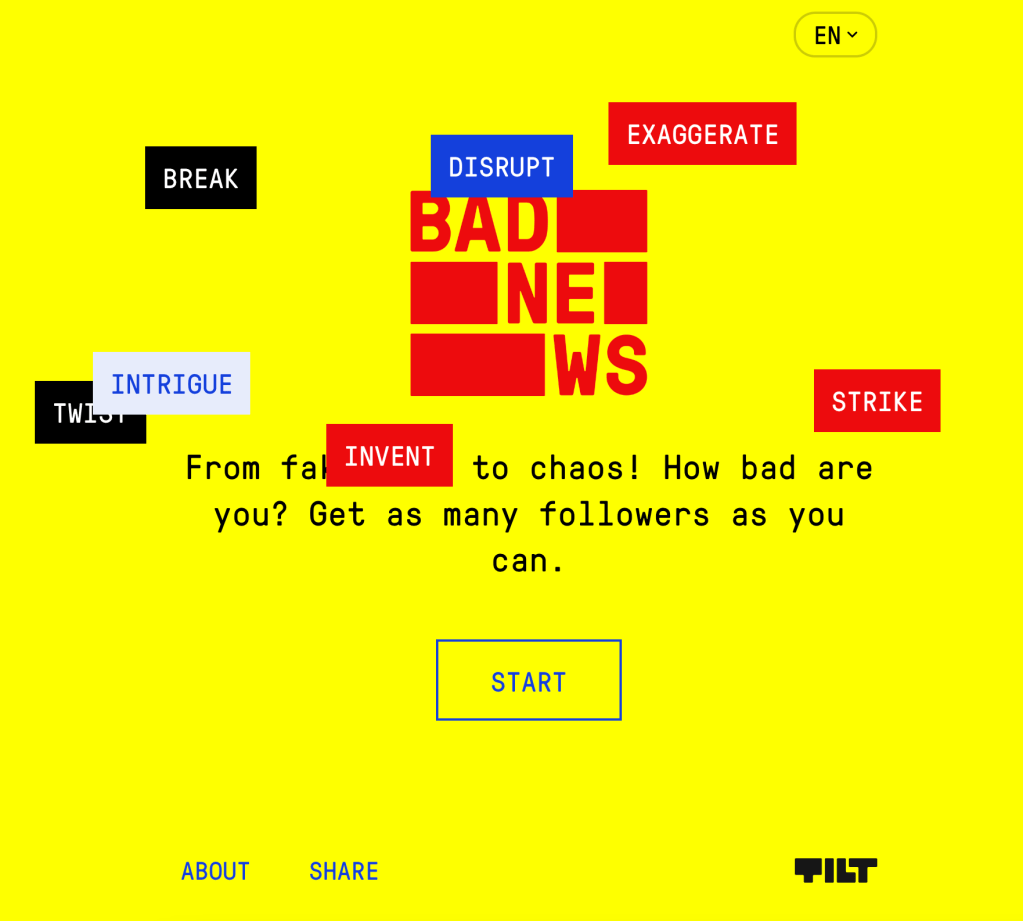
The game was easy to understand and gave me access to a range of tools to help me spread my “news.” I was able to create headlines from scratch and use a variety of platforms, including Twitter, Facebook, and Reddit, to spread my news. I also had access to a range of images, videos, and links to make my headlines more believable.
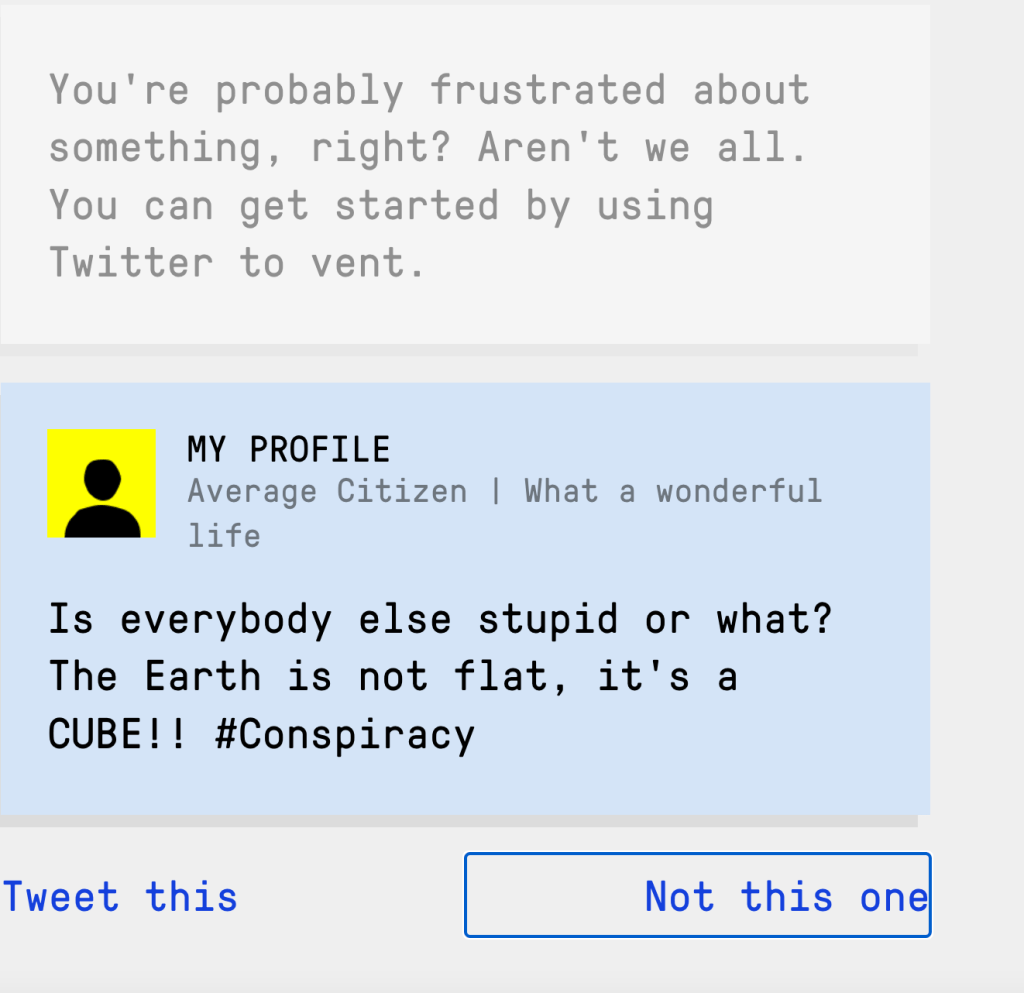
The most effective way to gain followers was to create headlines that were attention-grabbing and sensational. I used catchy and provocative headlines to draw people’s attention and encourage them to click on the link. I also made sure to use trending topics and current events to make my headlines more appealing. I was also able to manipulate the headlines by including false information and conspiracy theories. I used my knowledge of current events to craft headlines that would draw attention and mislead people into believing my headlines. This strategy worked very well and I was able to gain more than 13,000 followers in the simulation.
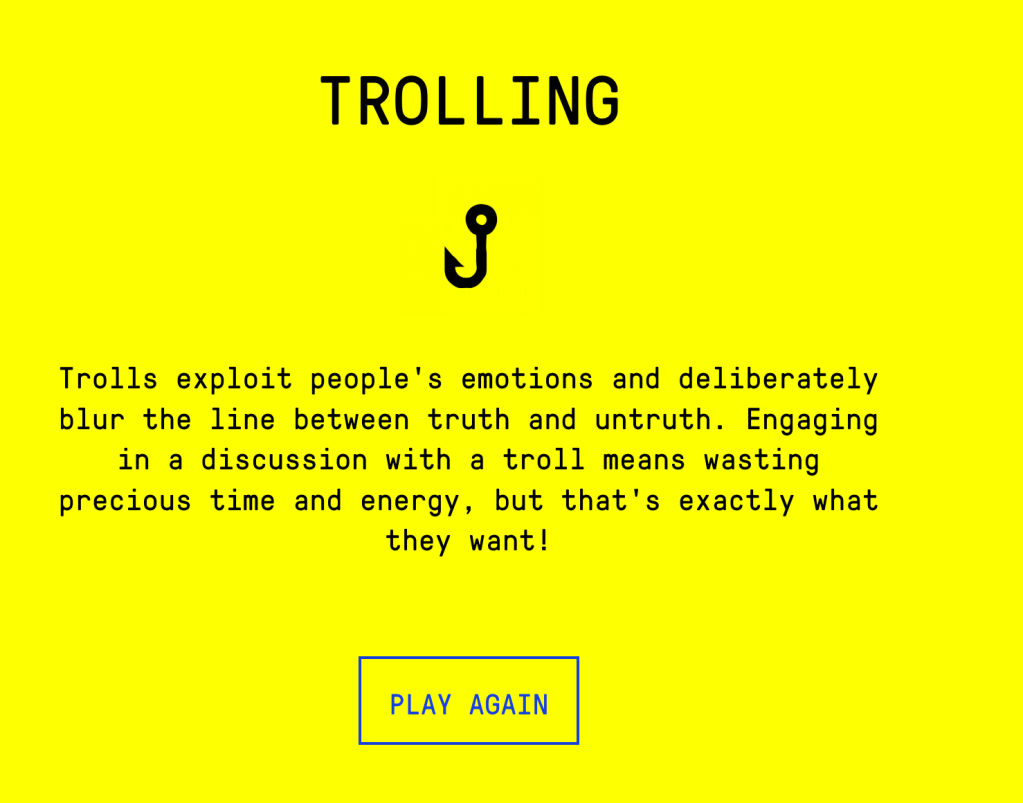
Overall, playing Bad News was a great learning experience. It taught me the power of the internet and how easy it is to spread false information. It also showed me how quickly misinformation can spread and how important it is to be aware of the sources of our news.
The second game was even better for me, especially since I recently took a digital audience analytics class which emphasized how each decision you make affects how other audiences perceive information. If you’re looking for a fun and challenging way to test your knowledge on the world of digital marketing, the misinformation game, “Fake It to Make It,” is the perfect game for you. In this game, you create and manage a website that you use to gain credibility and monetary success. You must use SEO, social media marketing, and other digital marketing strategies to get people to visit and trust your website.
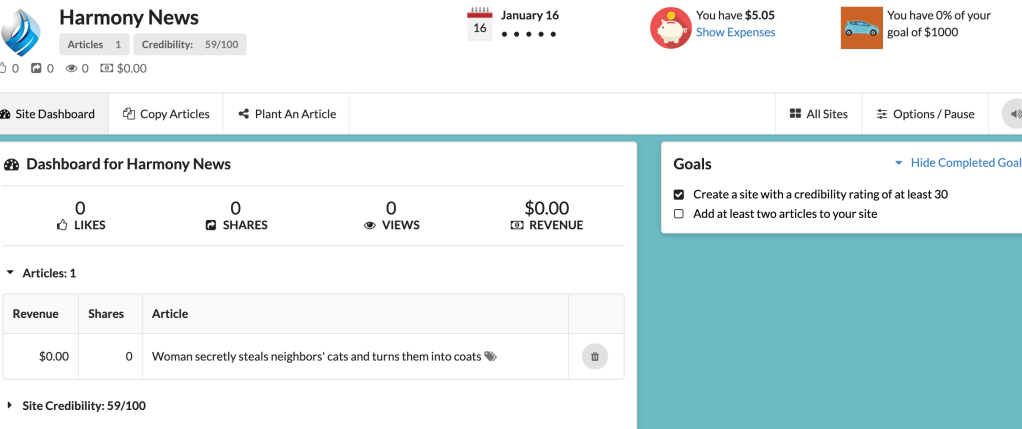
The goal of the game is to build a website that is so convincing that people will be willing to invest in it. You must also create a website that looks professional and will gain a larger audience. To do this, you must use the right keywords, create and maintain a presence on social media, and create content that will keep people coming back to your website.
Aside from the marketing aspect of the game, you must also be aware of the legal regulations and laws that come with creating and managing a website. This includes things like copyright laws, data protection laws, and consumer protection laws. In addition, you must also be aware of the potential risks that come with running a website, such as cyber-attacks, data breaches, and other security issues.
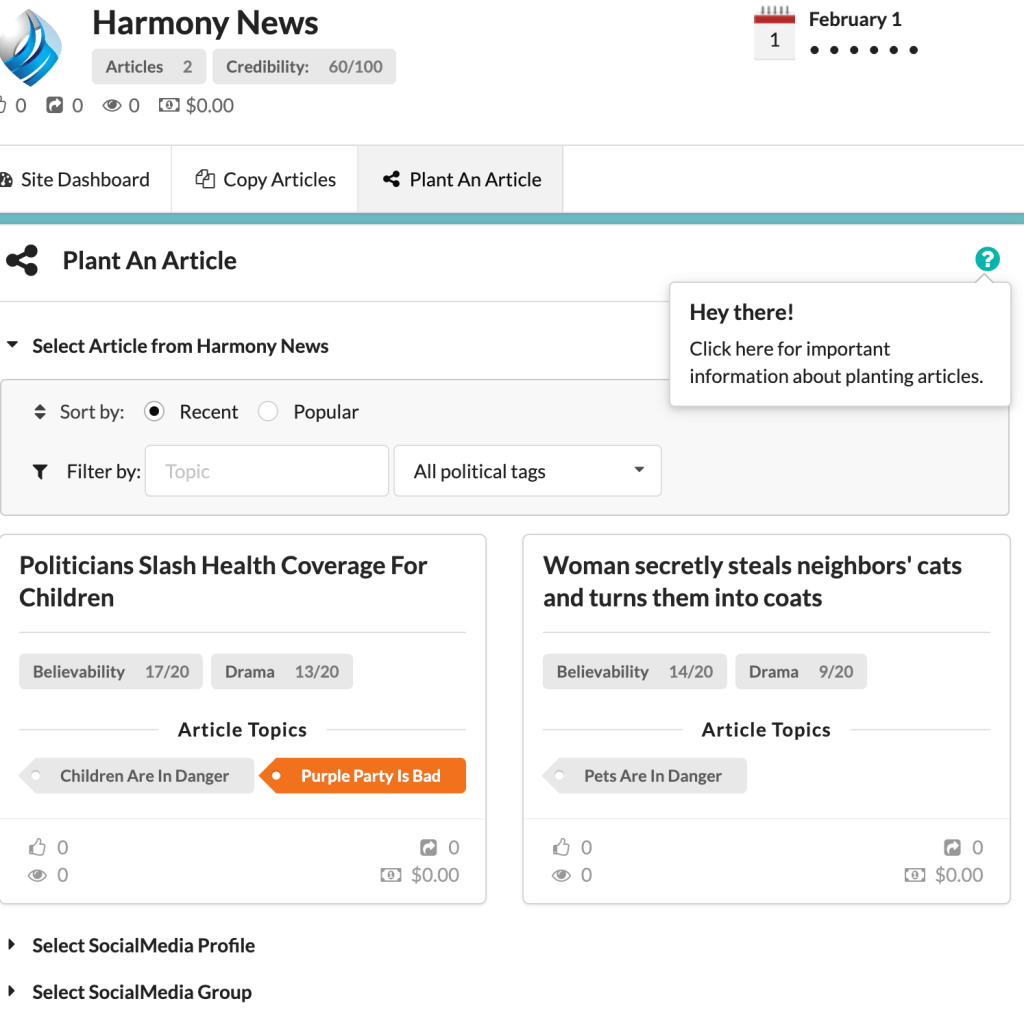
But don’t worry, Fake It to Make It is a fun and challenging game that will teach you the ins and outs of digital marketing and website management. So, if you’re ready to take your digital marketing skills to the next level, this is the perfect game for you.
All in all, misinformation games like these, act as a stark reminder that people are purposefully acting to gain credibility by using several tactics aimed at people’s fears and lack of knowledge. Educational games like this help us identify tactics people use in misinformation campaigns.
 MIke's Info Bytes Blog
Leave a comment